
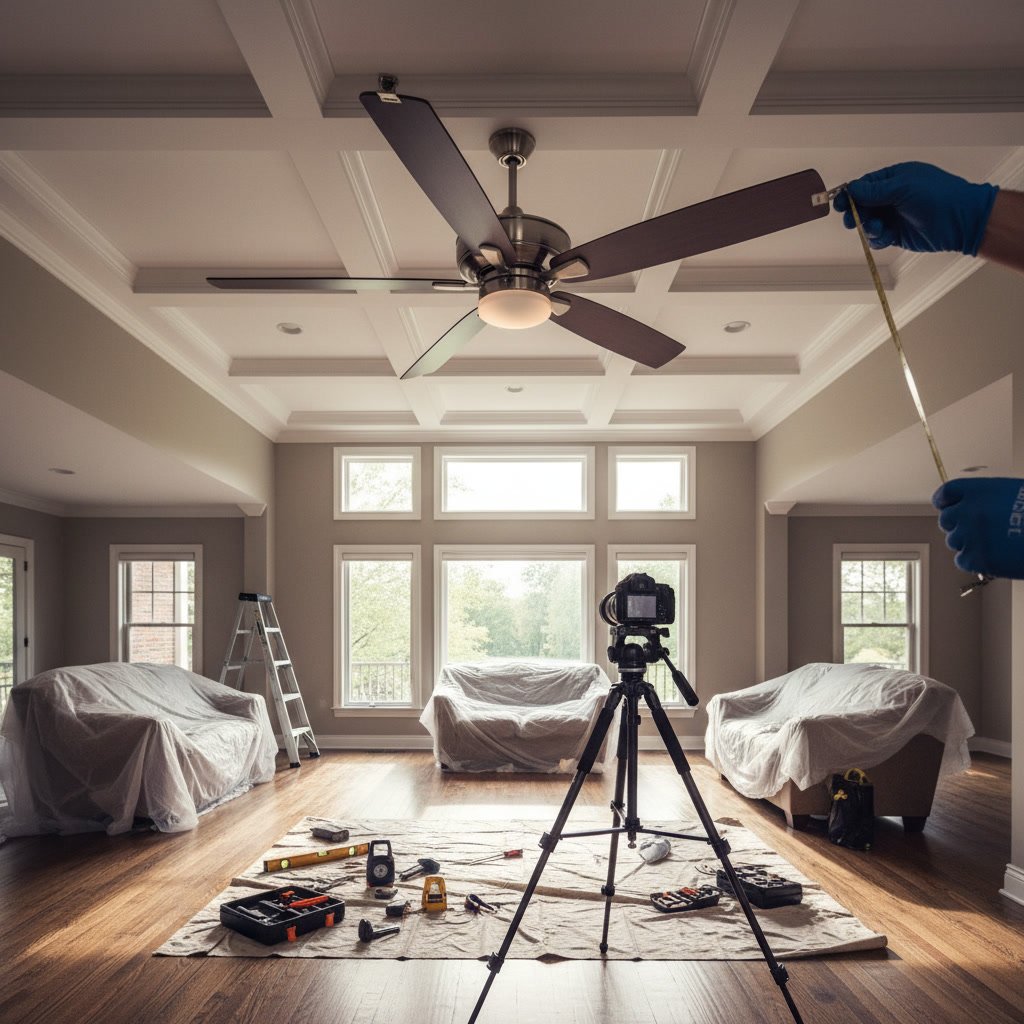
Ceiling fans typically wobble when blade weight distribution is uneven, mounting hardware has loosened, or motor bearings have worn down. Professional ceiling fan balancing corrects minor wobbles by adding small weighted clips to specific blades, adjusting blade pitch angles, and tightening all mounting components. When motor failure, broken internal parts, or severe structural damage is present, replacement becomes the safer and more cost-effective solution than attempting repairs.
Most homeowners notice problems gradually. A slight vibration turns into a pronounced shake. A quiet hum becomes a grinding noise. Understanding which symptoms point to a simple fix versus a serious problem helps you make informed decisions about your home comfort systems.
Why Ceiling Fans Develop Balance Problems Over Time
Dust accumulation creates uneven weight distribution across blades. A single blade carrying an extra ounce of dust throws off the entire rotation pattern. Temperature and humidity changes cause wooden blades to warp slightly, altering their pitch angles. Metal blades can bend if struck during cleaning or ladder work.
Mounting hardware loosens through normal vibration cycles. The downrod connection, ceiling bracket screws, and blade iron attachments all experience constant stress during operation. A single loose screw in the blade iron creates wobble that worsens with every rotation. Motor bearings wear down after years of use, allowing the rotor shaft to shift position inside the housing.
The Difference Between Normal Operation and Problem Indicators
Every ceiling fan exhibits minor movement during operation. A wobble measuring less than one-eighth inch at the blade tip falls within normal tolerances. You can measure this by holding a ruler against the ceiling and observing blade movement as it spins. Anything beyond one-eighth inch indicates an imbalance requiring attention.
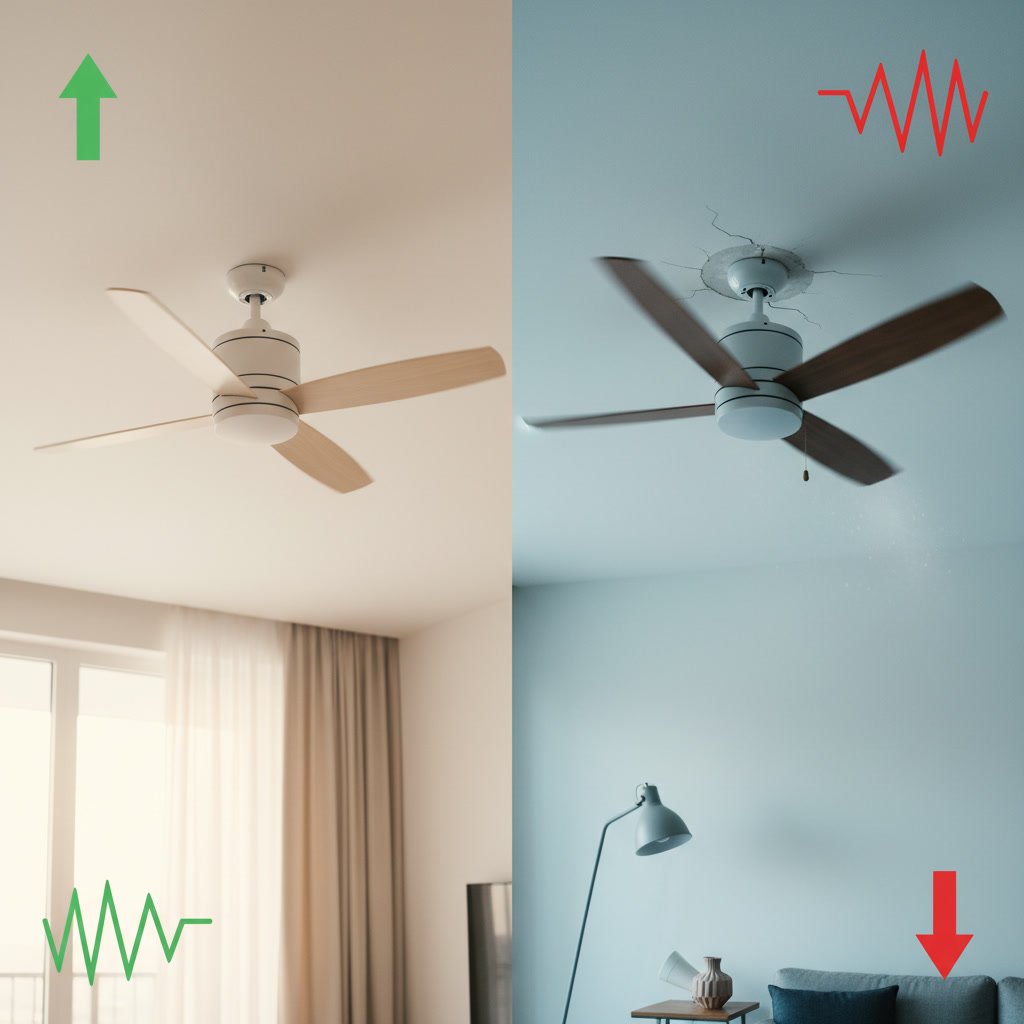
Normal operational sounds include a low hum from the motor and gentle air movement whoosh. Clicking, grinding, scraping, or buzzing noises always signal problems. If you hear these sounds, turn off the fan immediately and inspect for loose parts before operating again.
Visual Signs That Point to Immediate Service Needs in Long Grove
Blade droop becomes visible when you look at the fan from across the room. All blades should maintain the same angle and height. One blade sitting lower than others indicates a bent blade iron or damaged blade. Cracks in the blade material, whether wood, plastic, or metal, compromise structural integrity and create safety hazards.
Discoloration around the mounting bracket on your ceiling suggests the canopy has been moving against the ceiling surface. This friction damage means the mounting hardware has loosened significantly. Light fixture globes that rattle or swing during fan operation indicate severe imbalance that could lead to fixture detachment.
When Simple Adjustments Solve the Problem
Cleaning all blades thoroughly eliminates dust-related imbalance in many cases. Use a damp cloth to wipe both top and bottom surfaces, removing all accumulated debris. Tighten every visible screw on the fan, including blade mounting screws, blade iron screws, downrod set screws, and canopy screws. Work systematically from top to bottom.
Blade pitch adjustment requires measuring the distance from ceiling to blade tip at multiple points around the rotation. Each blade should measure identically. Gently bend blade irons to correct minor pitch variations. Balance kits available at hardware stores include clip-on weights that attach to blade edges, shifting the center of gravity to eliminate wobble.
Motor and Bearing Failure Symptoms That Require Replacement
Grinding or squealing noises that persist after cleaning and tightening indicate bearing failure. Motor bearings cannot be replaced economically in most residential ceiling fans. The cost of motor replacement typically exceeds the price of a new fan with updated features and better energy efficiency.
Overheating motors produce a burning smell during operation. Touch the motor housing carefully after running the fan for 15 minutes. Excessive heat that makes the housing uncomfortable to touch signals electrical problems or bearing friction. Intermittent operation where the fan stops and starts randomly points to failing capacitors or motor windings.
Speed Control Issues and Their Underlying Causes
Fans that run at only one speed regardless of switch position have failed speed controllers or capacitors. Pull-chain switches wear out after thousands of cycles, but this represents an inexpensive repair. Remote control receivers fail more frequently than mechanical switches, especially in areas with electrical interference.
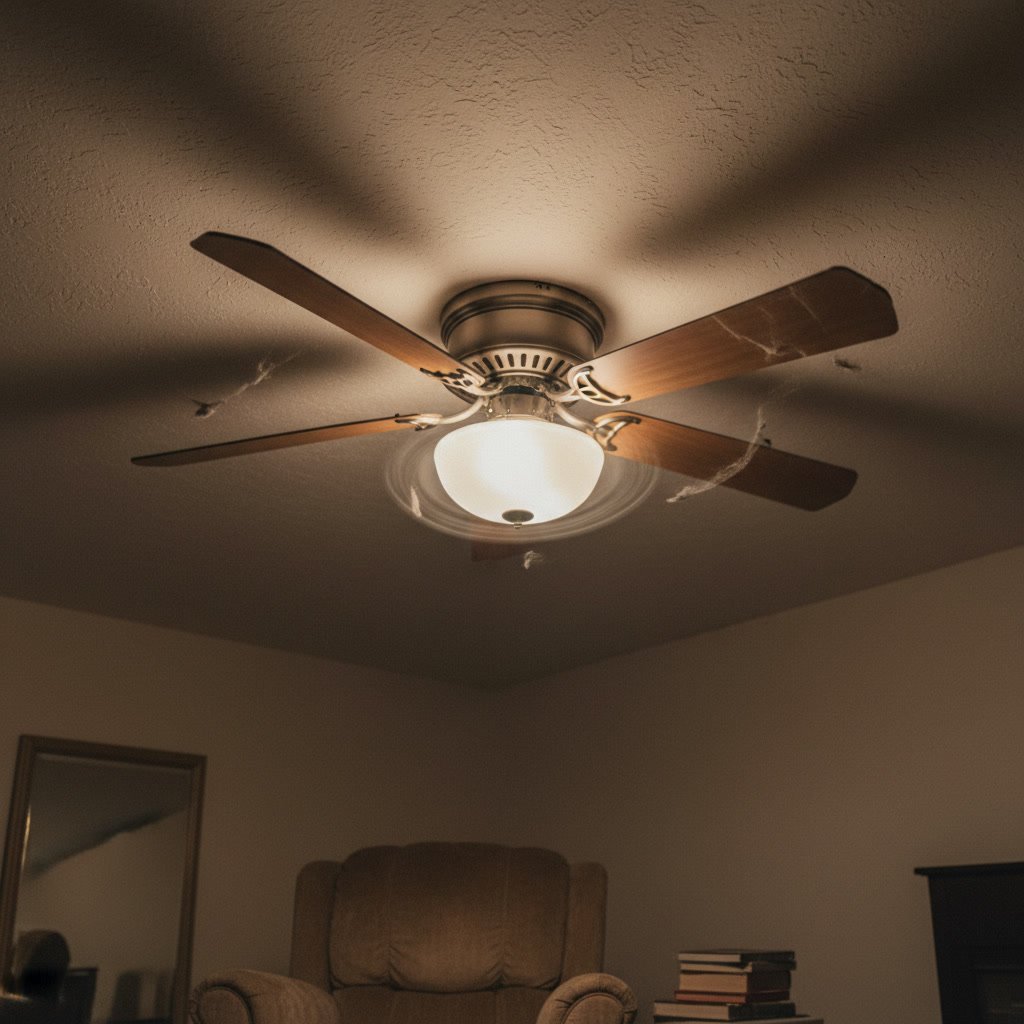
Gradually decreasing maximum speed over months indicates motor deterioration. A fan that once moved air vigorously but now barely creates a breeze at high settings has lost motor efficiency. This degradation rarely reverses and signals approaching motor failure.
Five Critical Steps for Professional Fan Assessment
Professional technicians begin by measuring wobble at multiple speeds using precision instruments. They document blade pitch angles with digital levels, checking for variations exceeding one degree. Every mounting point gets inspected for stress cracks, corrosion, or deformation.
Electrical testing includes measuring voltage at the fan, checking capacitor values, and testing switch continuity. Bearing play gets assessed by gently pushing the motor housing in different directions and feeling for excess movement. The technician compares all measurements against manufacturer specifications to determine whether professional fan service or replacement provides better value.
Weight distribution analysis involves spinning the fan by hand and observing deceleration patterns. Balanced fans slow evenly. Imbalanced fans exhibit jerky deceleration with visible wobble even at low speeds. Finally, the mounting structure itself gets evaluated for adequate support, proper joist attachment, and ceiling integrity.
Safety Hazards That Demand Immediate Action
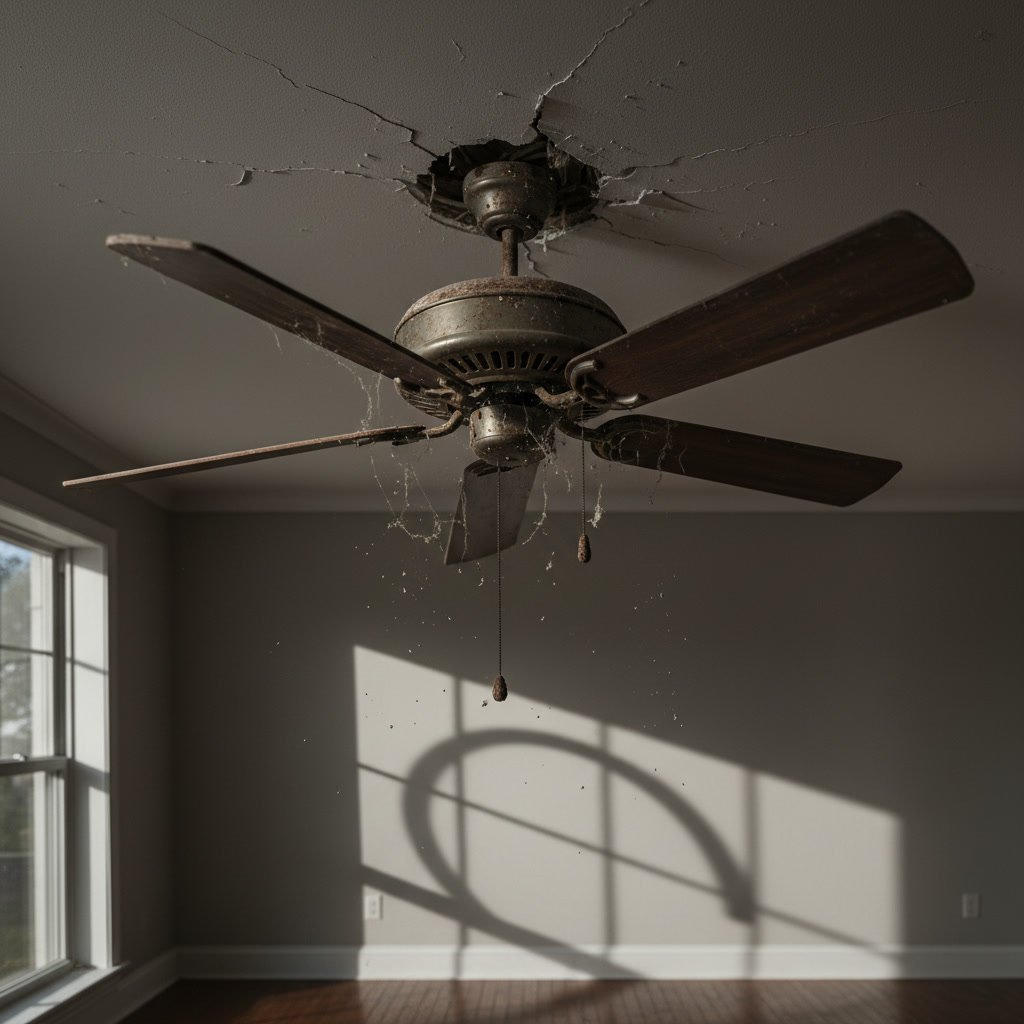
Loose ceiling mounts create falling hazards. A fan weighing 15 to 50 pounds dropping from an eight-foot ceiling causes serious injury. If you notice any gap between the canopy and ceiling, or if the entire fan assembly shifts when you apply gentle upward pressure, stop using it immediately.
Electrical arcing produces visible sparks, burning smells, or flickering lights when the fan operates. These symptoms indicate dangerous wiring problems that present fire risks. Blade strikes against light fixture components or the ceiling indicate catastrophic mount failure in progress.
How Installation Quality Affects Long-Term Performance
Fans mounted to standard electrical boxes rather than fan-rated boxes develop problems quickly. Fan-rated boxes attach directly to ceiling joists and withstand dynamic loads that standard boxes cannot handle. Inadequate downrod length in cathedral ceilings creates airflow inefficiency and increased motor stress.
Blade clearance matters more than most homeowners realize. Blades should maintain at least seven feet of clearance from the floor and 18 inches from walls. Insufficient clearance creates turbulent airflow that increases motor load and accelerates wear. Similar installation expertise applies to other home projects, as seen in custom storage solutions where proper mounting prevents future problems.
Comparing Repair Costs Against Replacement Value
Basic balancing service typically costs between 80 and 150 dollars, depending on accessibility and complexity. This investment makes sense for fans less than ten years old with quality motors and desirable features. Replacement costs range from 200 to 600 dollars installed, depending on fan quality and installation complexity.
Energy efficiency improvements in newer fans often justify replacement even when repairs remain possible. Modern DC motor fans use 70 percent less electricity than older AC motor models while providing better airflow. The energy savings can recover replacement costs within three to five years in homes that use fans regularly.
Maintaining Comfort and Safety in Your Home
Addressing fan problems promptly prevents minor issues from becoming expensive emergencies. Regular maintenance extends fan life significantly, but every appliance eventually reaches its economic end point. Knowing the difference between repairable imbalance and terminal failure helps you invest your maintenance budget wisely.
Proper diagnosis requires experience with multiple fan brands, mounting systems, and failure modes. What appears as a simple wobble might indicate hidden structural problems, while alarming noises sometimes trace to simple fixes.
At Your Service Pros has balanced and replaced ceiling fans throughout the Chicago area for over 15 years. Whether your fan needs adjustment or replacement, our technicians provide honest assessments and reliable solutions. Call +16309017707 to schedule an evaluation and restore comfortable airflow to your home.