
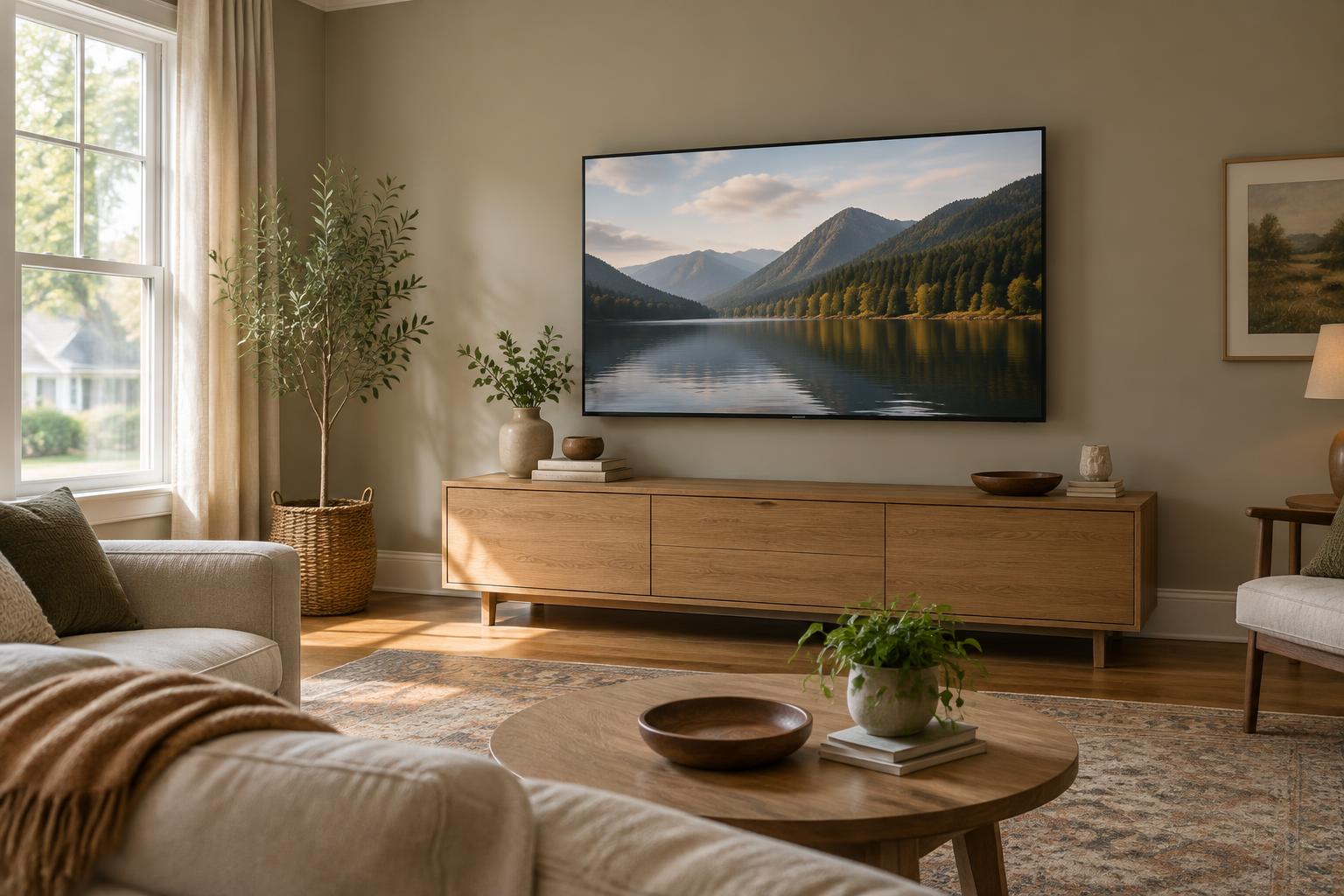
A wall-mounted TV can make a living room feel more organized, free up space on a console, and give everyone a better view. But the finished result depends on decisions made before the bracket reaches the wall.
Where will you sit? Will sunlight reflect across the screen? Where will the streaming device go? A TV can look perfectly centered on a wall and still feel uncomfortable to watch.
For homeowners planning residential TV mounting in Long Grove, thinking through the room first helps avoid unnecessary holes, awkward cable routes, and a screen that ends up higher than expected.
Start With Where You Actually Watch TV
The best starting point is your usual seat.
Sit on the sofa, recliner, or bed where you expect to watch most often. Look toward the proposed wall and consider whether the screen would fall naturally within your line of sight.
A comfortable position depends on the room, seating height, screen size, and viewing distance. There is no single mounting height that works for every home.
Before choosing a spot, consider:
- Whether people usually watch seated or reclined.
- How far the main seats are from the screen.
- Whether furniture might block the lower part of the display.
- Whether viewers will watch from more than one part of the room.
- How the TV fits alongside artwork, shelving, and other furnishings.
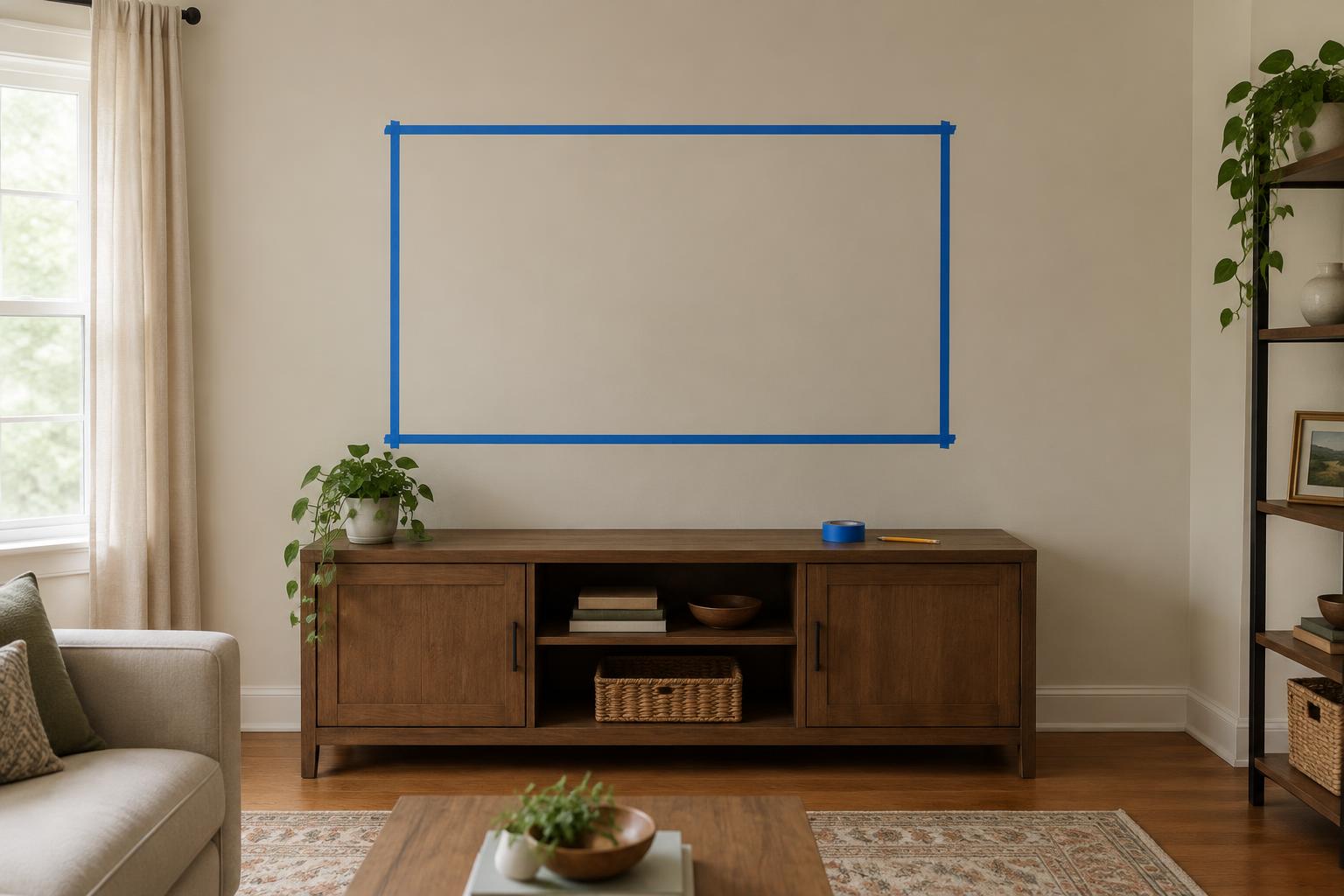
Marking the approximate screen outline with removable painter's tape can help you picture the placement before installation. Check the tape's suitability for your wall finish first.
Check Glare Before Committing to a Wall
A wall that looks ideal in the evening may be difficult to watch during the afternoon.
Windows, glass doors, and lamps can create reflections that distract from the picture. This is especially noticeable when the screen shows darker scenes.
Look at the proposed location at the times you normally watch TV. If possible, check it during both daylight and evening hours.
Sometimes a small change in placement solves the problem. In other rooms, adjusting a lamp or using existing window coverings may help. Consider these options before assuming that a different bracket will eliminate glare.
The goal is to choose a location that works with daily life, not just one that looks good when the television is off.
Match the Mount to the TV and the Room
TV mounts offer different levels of movement.
A fixed mount keeps the screen in one position and generally suits a room with a consistent viewing area. A tilting mount allows some vertical adjustment. A full-motion mount can let the screen turn toward different seating areas.
More movement is not automatically better. Think about how often you will actually reposition the screen and whether nearby furniture or shelving could interfere.
The bracket must also match the television's mounting-hole pattern, often called its VESA pattern, and support the specific model's weight and dimensions.
Before buying a bracket, gather your TV's model number and manufacturer specifications. If you already have a mount, share its details with the installer rather than assuming it will work with a replacement screen.
Let the Wall Determine the Installation Approach
Paint and wallpaper can hide very different wall structures.
Drywall, plaster, masonry, and other surfaces require different assessments. The condition of the wall and the structure behind it also affect the mounting plan.
This matters when moving a TV to a new room or replacing a smaller television with a larger one. Existing holes or a previously installed bracket do not establish that the location is suitable for the new setup.
A professional assessment should consider the wall construction, mounting position, bracket requirements, and appropriate attachment points.
At Your Service Pros' TV mounting service includes wall assessment, bracket compatibility checks, and careful placement. Sharing photos of the wall in advance can help start that conversation.
Plan Cable Management Around Everyday Use
A neatly mounted screen can still look unfinished when cords hang below it or devices have nowhere to sit.
Before installation, list everything you want connected. This might include a streaming device, game console, soundbar, or cable box.
Then think about where each item will go and how you will reach it later.
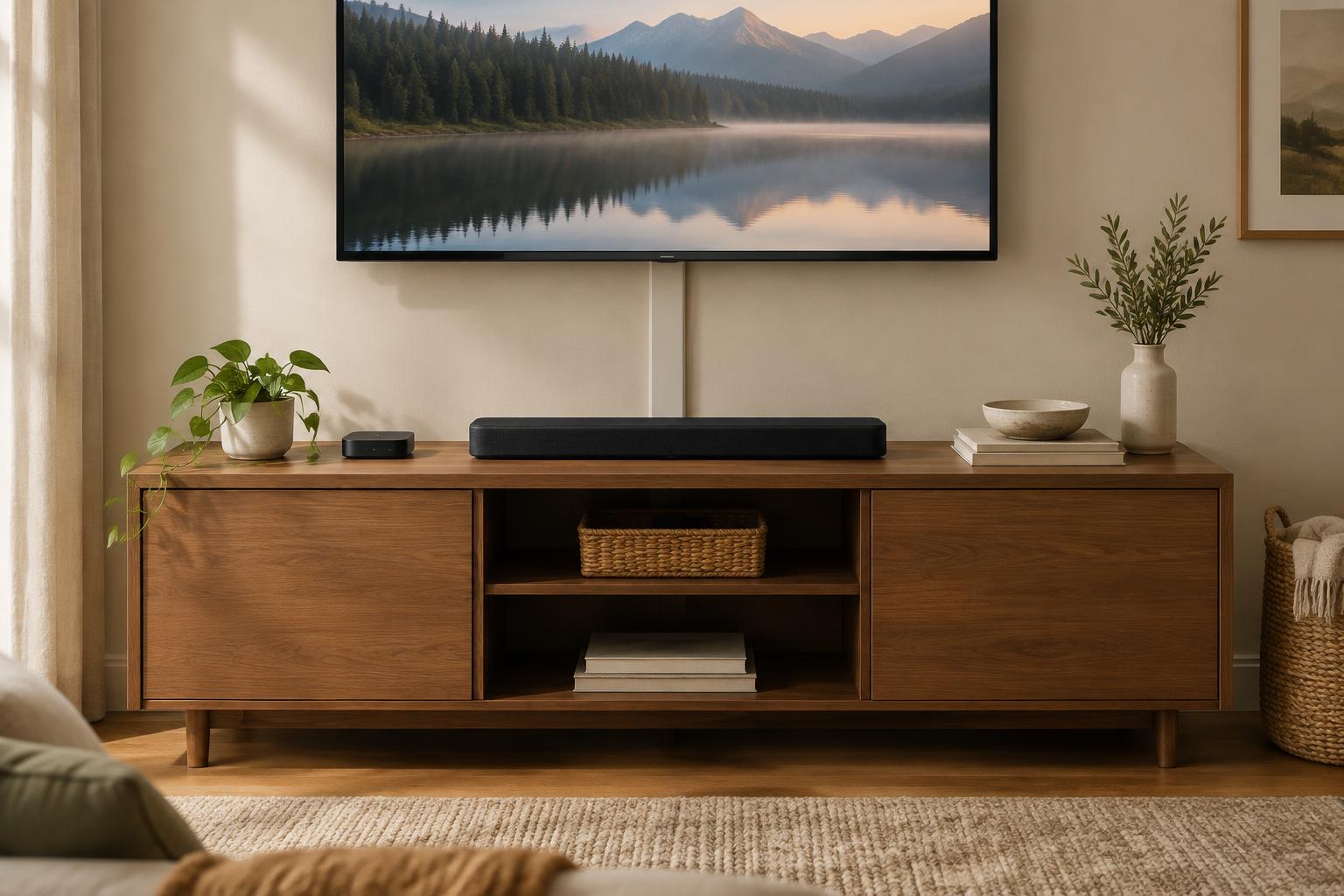
Useful questions include:
- Where is the existing power outlet?
- Will devices sit on a console or nearby shelf?
- Will you need easy access to HDMI or USB connections?
- Could the TV's movement pull on connected cables?
- Would a surface cable cover suit the room?
Discuss cable-management options before mounting begins. The wall layout and existing connections may limit what is practical. Any proposed changes to electrical outlets should be assessed separately by an appropriately qualified professional.
A tidy installation should still allow you to replace a device or reconnect a cable without unnecessary difficulty.
Think Carefully About Mounting Above a Fireplace
The space above a fireplace is often visually prominent, but it deserves a separate discussion.
The proposed position may put the screen higher than is comfortable from the sofa. Heat exposure and the construction of the fireplace surround also need consideration.
Check the television and fireplace manufacturers' guidance before treating this as the default mounting location. Share the fireplace type, wall photos, and TV model with the installer.
If the placement creates viewing or installation concerns, an adjacent wall may work better. Choosing a different location early is easier than changing the room around an uncomfortable setup.
Prepare the Room Before the Appointment
A little preparation helps the installation discussion stay focused.
Have the TV model number available, along with the bracket details if you have already purchased one. Gather the devices you want connected and note where you normally sit.
Clear the immediate work area and arrange a safe place for pets and children away from the installation space. Ask in advance whether furniture needs to be moved or whether an existing TV needs to be removed.
Also mention anything that could affect access, such as stairs, parking restrictions, or building rules.
You do not need to solve every installation question yourself. The aim is to give the installer enough information to assess the project accurately.
Plan Your Long Grove TV Mounting Project
A successful home TV setup combines comfortable viewing, suitable mounting hardware, and a practical plan for cables and devices.
At Your Service Pros provides TV mounting in Long Grove and the North Shore. Share your TV model, wall photos, and preferred location to discuss the next steps for your room.
Request a Quote or call (630) 901-7707.